
When Your Gauge Climbs in Traffic but Coolant Looks “Full”
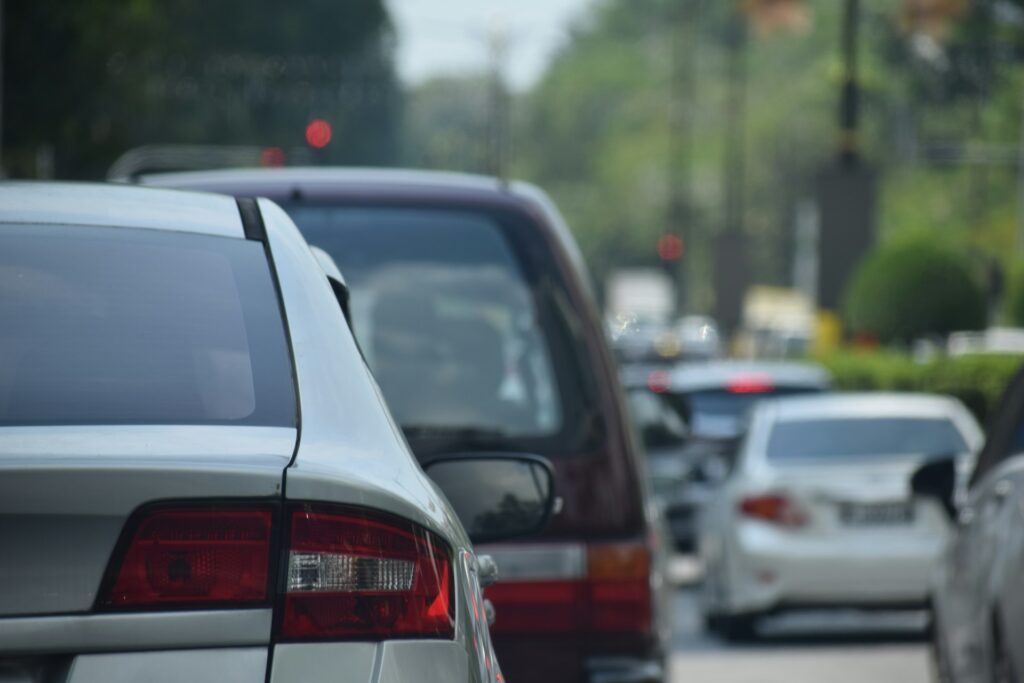
Sitting in slow summer traffic with the A/C on and watching the temperature gauge climb is stressful. Many drivers pop the hood later, glance at the coolant reservoir, see it looks “full,” and assume everything is fine. Then the same thing happens the next day in traffic.
This is a common problem around Stittsville on the Queensway or Hazeldean Road, when traffic crawls. At low speeds, your cooling system works much harder, and weak fans or fan clutches start to show up fast. Even if the coolant tank looks okay, your engine may not be moving heat out the way it should.
In this article, we explain why engines heat up quickly in stop-and-go traffic, the main symptoms of bad fans and fan clutches, a few simple and safe checks you can do at home, and how professional cooling system service in Stittsville can help prevent serious engine damage.
Why Engines Overheat Faster in Stop-and-Go Traffic
At highway speed, your cooling system gets a lot of help from nature. Air is pushed through the front grille and across the radiator any time the vehicle is moving fast.
At low speeds or at idle, that natural airflow almost disappears. Now the radiator fan is doing most of the work. If the electric fan is slow to come on or the fan clutch is worn, heat builds quickly.
Here is what changes in slow traffic with the A/C running:
-
Air is not being forced through the radiator
-
The A/C condenser in front of the radiator is dumping extra heat
-
The pavement and air around you are already hot
-
The engine is still creating heat even though you are barely moving
All of this puts a bigger load on the fan and the rest of the cooling system.
A “full” coolant reservoir can be misleading. That plastic tank is only one piece of the system. You can still have trouble if:
-
The thermostat is stuck and not opening fully
-
The water pump is weak and not moving coolant well
-
The fan or fan clutch is not pulling enough air through the radiator
-
There is an air pocket trapped in the system
-
Sensors or switches that control the fan are not working correctly
So if the gauge climbs in traffic but drops back down on the highway, you should not rely on the tank level alone. The system needs a closer look.
Common Symptoms of Failing Fans and Fan Clutches
Fan problems often show up first at red lights, drive-thrus, or in gridlock. Some common signs include:
-
Temperature gauge running higher than normal at stoplights
-
Overheating or warning light in traffic, but not while cruising on the highway
-
Steam or a strong hot coolant smell after sitting in one spot
With electric fans, you might notice:
-
The fan does not turn on when the engine is hot
-
The fan does not come on with the A/C, even when the cabin is warm
-
The fan runs unusually loud all the time
-
The fan blades wobble or look damaged when they spin
With a mechanical fan and fan clutch, common signs include:
-
Loud “roaring” fan noise when the engine is cold, then going quiet once hot
-
The opposite problem, almost no fan sound even when the engine is very warm
-
Poor airflow through the radiator area even when the engine temperature is up
You can also get clues right inside the cabin:
-
A/C air gets warmer at idle, then cools down again once the vehicle starts moving
-
The heater may blow very hot air if you turn it on when the gauge spikes, because it is pulling extra heat out of the engine
-
You may see a dashboard warning light for engine temperature or a “check engine” light related to overheating
Any of these signs are a good reason to have the cooling system checked before real damage happens.
Quick at-Home Checks Before Damage Is Done
There are a few simple checks you can do yourself, as long as you are careful and patient. Always let the engine cool fully first.
With the engine cold:
-
Look at the coolant level in the reservoir, not the radiator cap
-
Check for dried coolant crust or wet spots around hoses, clamps, and the radiator
-
Look for puddles under the vehicle that might be coolant
-
Inspect visible belts and hoses for cracks, bulges, or soft spots
For basic fan checks:
-
With the engine off and cool, gently try to spin a mechanical fan by hand. It should have some resistance. If it spins freely like a pinwheel, the clutch may be worn.
-
Start the engine, let it warm up while parked, and watch from a safe distance. Electric fans should come on once the engine gets hot or when the A/C is turned on.
Important safety notes:
-
Never open a hot radiator cap. Hot coolant can spray out and cause burns.
-
Keep hands and tools away from any moving parts. Electric fans can start without warning, even with the engine off, if the system commands them on.
-
If the temperature gauge quickly jumps into the red or you see steam, it is safer to shut the engine off and wait for professional help rather than trying to limp home.
If you are unsure at any point, it is better to leave things alone and have a shop that knows cooling system service in Stittsville take over.
How Pros Diagnose Cooling System and Fan Issues
Trained technicians go past a quick peek at the tank. At our shop, we look at how the whole system is working together.
For the cooling system itself, a typical check can include:
-
Pressure testing the system to look for leaks you might not see by eye
-
Testing the radiator cap to make sure it holds the right pressure
-
Checking coolant strength and condition
-
Inspecting the radiator and heater core for blockages
For fan and fan clutch problems, we can:
-
Use scan tools to command electric fans on and off and see how they respond
-
Test fan relays, fuses, and switches that control fan speed
-
Inspect wiring and connectors for corrosion and loose pins
-
Check fan clutch engagement and look for play or leaks in the clutch
Catching these issues early is important because repeated overheating can lead to:
-
Warped cylinder heads
-
Blown head gaskets
-
Damage to plastic parts and hoses
-
Stress on the transmission if it shares the radiator for cooling
Regular cooling system checks help your engine last longer and help your A/C work better, especially when traffic and heat push everything hard.
Stay Cool in Stittsville Traffic with Preventive Care
Anytime you notice the temperature gauge creeping higher than normal, the A/C getting weak at idle, or new fan noises, think of those as early warning signs. They are your vehicle’s way of asking for help before something fails.
A simple seasonal habit helps a lot. Many drivers choose to have a cooling system and A/C check done in late spring or early summer, Weak fans, tired fan clutches, old coolant, or small leaks can then be taken care of before hot days and long weekend traffic reveal them in a much more stressful way.
At A.C. Automotive, we see how quickly heat builds up in stop-and-go driving around Stittsville. With the right cooling system service in Stittsville, along with a solid fan and fan clutch inspection, your vehicle is far more likely to handle summer traffic calmly, without the worry of watching that temperature needle climb.
Keep Your Engine Running Smoothly With Expert Cooling Care
Protect your vehicle from overheating and costly repairs by scheduling your cooling system service in Stittsville with A.C. Automotive today. Our technicians will inspect, flush, and service your cooling system so you can drive with confidence in every season. Ready to book an appointment or ask a question about your vehicle? Simply contact us and we will help you find a convenient time.