
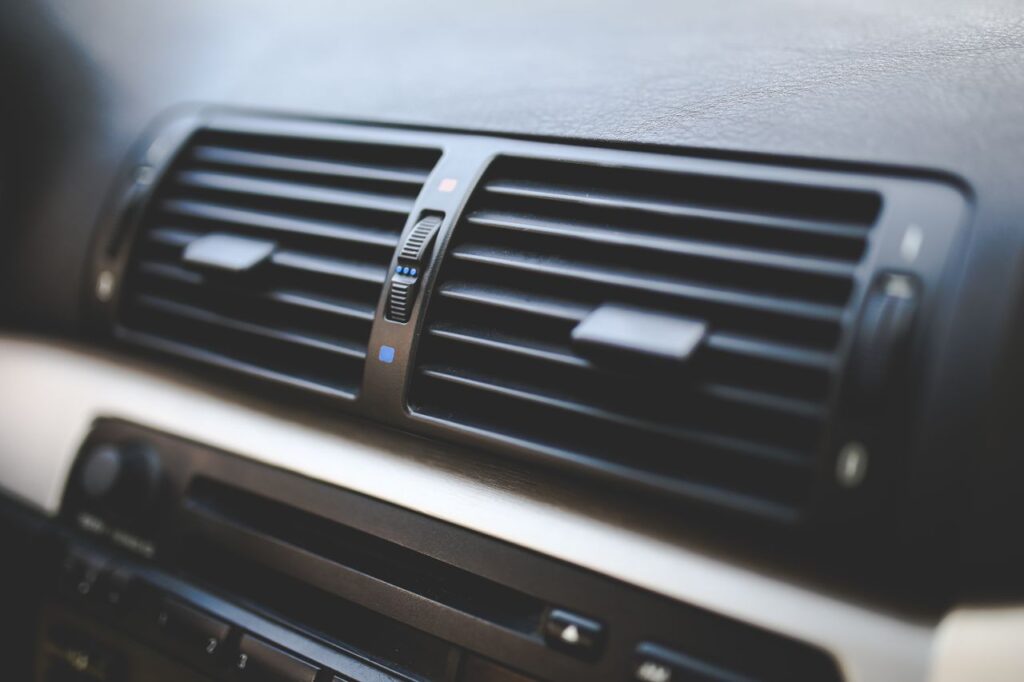
Auto air conditioning systems do a lot more than keep you cool in July. In fall, when the weather in the Ottawa and Stittsville area jumps from near freezing in the morning to mild by mid-afternoon, your AC is quietly working in the background almost every time you drive. It helps control moisture, clear foggy glass, and keep the cabin feeling comfortable, even when the temperature outside cannot make up its mind.
On one drive, you might start with heat and rear defrost, then switch to AC and fresh air a few hours later. Those quick changes are hard on your climate control system, and they can reveal small issues before winter hits. In this post, we will walk through how auto air conditioning systems support comfort and safety in fall, what is going on inside the system, and which warning signs mean it is time for a professional checkup.
How Your Auto AC Supports Fall Comfort and Safety
When people hear “AC,” they often think only of cold air on a hot day. In reality, AC is about controlling humidity just as much as temperature. That is a big deal on damp fall mornings, when cool, wet air outside meets warm breath, wet boots, and soggy floor mats inside the car.
Your AC works together with the heater and defroster to manage both temperature and moisture. In many vehicles, the AC compressor comes on automatically when you choose the defrost setting. The system dries the air first, then the heater core warms it up before it hits the windshield and side windows. That drier, warm air helps:
- Clear fog faster
- Keep glass clear longer
- Reduce that sticky, clammy feeling in the cabin
- Cut down on lingering odours from wet carpets and seats
You might notice that the air feels slightly cool at first, even when you have the heat set warm. That is usually the AC drying the air before the heater takes over. It can feel strange, but it is actually the system doing its job.
For local drivers, this matters on:
- Early-morning commutes when the car has sat cold all night
- School drop-offs with kids tracking in slush and rain
- Weekend trips on rural roads where a foggy windshield is more than just annoying
Good climate control is about comfort, but it is also about visibility and safety, especially once evenings get dark earlier.
What Happens Inside Your AC When Temperatures Swing
Inside your auto air conditioning system, a few key parts work together in a constant loop:
- Compressor, pumps refrigerant through the system
- Condenser, releases heat to the outside air
- Expansion valve or orifice tube, controls refrigerant flow
- Evaporator, sits inside the cabin air stream and absorbs heat and moisture
- Refrigerant, the fluid that carries heat away
As you change from heat to AC or from defrost to floor vents, the system adjusts pressures and flow. On a cold, damp morning, the evaporator is pulling heat and moisture out of the cabin air. Later that day, when it is milder outside, the same parts may be working under very different pressures and temperatures.
Frequent short trips in fall can be tough on the system. The AC may:
- Cycle on and off more often
- Deal with cold, wet outside air and warm, humid air inside
- Build up more condensation around the evaporator
That extra moisture can lead to:
- Musty or sour odours when you first switch on the fan
- Foggy windows that seem to come back quickly
- A damp feeling in the cabin even if the temperature is comfortable
Seasonal pressure swings inside the lines and components can also expose weak spots. A low refrigerant charge that was just “borderline” in summer might start to show as poor performance. Aging hoses, seals, or a compressor that is starting to struggle can reveal themselves when conditions keep changing.
Common Fall AC Symptoms You Should Not Ignore
As temperatures flip-flop, your vehicle may give you some early hints that the AC and climate system need attention. Some common signs include:
- Cabin air feels damp or “sticky” even with the fan running
- Windows take a long time to clear, or fog returns quickly
- A musty, sour, or slightly sweet smell when the fan first comes on
- Air temperature from the vents changes for no clear reason
Weaker airflow is another warning sign. If you notice that some vents blow stronger than others, or you have to crank the fan up high to feel anything, it may point to:
- A clogged or very dirty cabin air filter
- Debris around the evaporator that is blocking air
- Early issues with the blower motor or its controls
These problems are usually easier, and less stressful, to fix before deep winter. When snow and freezing temperatures arrive, a weak AC system cannot pull moisture out of the air as well. That can turn into:
- Glass that fogs up during every drive
- Frost inside the windows on very cold days
- Longer wait times before you can safely pull away
Poor visibility in wet, cool weather is a real hazard, especially on darker evenings around suburban and rural roads near Stittsville. If you are fighting foggy glass every day, that is a sign the system needs a close look.
Smart Maintenance Moves Before Deep Winter Arrives
You do not need special tools to pick up on early signs that your auto air conditioning system needs attention. A few simple checks can tell you a lot:
- Try every climate control mode: AC, heat, defrost, and mix settings
- Listen for odd clicks, squeals, or rattles when AC or defrost is turned on
- Watch how quickly your windshield clears on a cool, damp day
- Notice any unusual smells when the fan starts
One of the simplest and most helpful steps is replacing the cabin air filter before winter. A fresh filter helps:
- Improve airflow through the vents
- Speed up defogging in wet weather
- Reduce dust, pollen, and odours in the cabin
This is especially helpful for anyone with allergies or breathing sensitivities, since you are likely driving with the windows closed for longer stretches.
A professional inspection can go much deeper. Trained technicians can:
- Check refrigerant level and look for signs of slow leaks
- Test compressor performance under different temperatures
- Inspect hoses, belts, and connections for wear or damage
- Make sure the cooling system, including coolant and related parts, is in good shape
Your engine cooling system, belts, and hoses all work alongside the AC to keep both the engine and the cabin in a safe temperature range. If one part of that chain is weak, it can affect the rest once winter stress kicks in.
Book a Fall AC Check to Stay Ready for Winter
At A.C. Automotive in Stittsville, we see how hard auto air conditioning systems work during fall temperature swings. Heat, AC, and defrost often run in the same drive, and any hidden weakness tends to show up right as the weather turns for the worse. A seasonal check can catch those small issues while they are still simple to deal with.
Taking a bit of time in early November to have your AC, heating, and cooling systems inspected helps you head into snow and deep cold with confidence. Clear windows, steady cabin comfort, and a system that responds the way it should all start with a healthy AC and climate control setup.
Restore Comfortable Driving With Expert A/C Service Today
If your vehicle’s cooling is starting to struggle, we can diagnose and repair your system before a minor issue becomes a costly breakdown. Explore our full range of auto air conditioning systems services to find the right solution for your car or truck. At A.C. Automotive, we use quality parts and careful workmanship to help keep your cabin comfortable in every season. Ready to book an appointment or request a quote? Simply contact us and our team will follow up promptly.